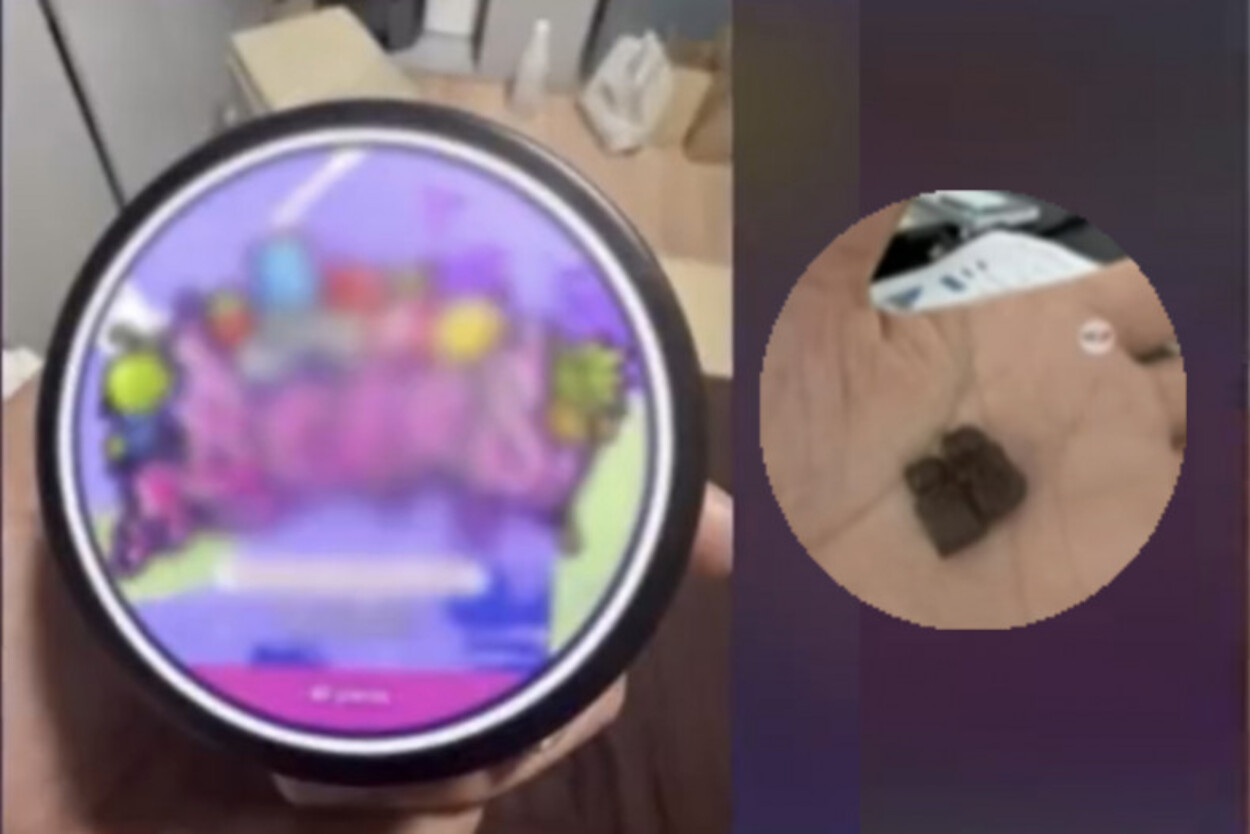
A two-year-old girl in Chiang Mai was hospitalised twice after accidentally consuming around 10 cannabis-infused gummy bears left unattended at a family gathering earlier this month. Her father has filed a police complaint and called for stricter regulation of cannabis-containing products that may be accessible to children.
The case came to light after the child exhibited unusual symptoms at school, including extreme drowsiness and a refusal to eat. Concerned by her condition, a teacher contacted her family. The girl’s uncle picked her up and took her to a nearby hospital, where the initial cause of her condition could not be identified.
Following discussions among family members, it was revealed that cannabis gummies had been brought to a birthday party held at the family’s home two days prior. Two guests admitted leaving the edibles behind, and it was later estimated that the girl had ingested approximately 10 of them. This information led to a diagnosis of acute altered consciousness due to cannabis consumption, along with acute sinusitis.
The child remained unconscious for 24 hours before regaining consciousness and was discharged from the hospital on Friday afternoon. However, she was readmitted that same evening due to a high fever and continued hallucinations.
The father, whose identity has not been publicly released, is seeking over 50,000 baht in medical expenses from the individuals who brought the gummies. He reported that insurance refused to cover the costs because the treatment was linked to a narcotic substance. He also expressed concern about the possible long-term neurological effects on his daughter.
A formal complaint was filed at Hang Dong Police Station, along with the remaining gummies presented as evidence. The father said he hopes the incident will prompt authorities to introduce tighter controls on cannabis-laced food products.
In response, Public Health Minister Somsak Thepsuthin instructed the Food and Drug Administration and provincial public health offices to inspect and take legal action against businesses selling cannabis products that exceed the legal limit or lack proper authorisation.
Thai law currently imposes penalties of up to 30,000 baht in fines or three years in prison for unauthorised production or sale of cannabis-infused food. If products are found to contain tetrahydrocannabinol (THC) levels above legal thresholds, the offence may carry up to two years in prison, a fine of 20,000 baht, or both.